

What are Flashes and Floaters?
Flashes and floaters are a typical but irritating condition that happens to many women and men as they start to age. Typically, this condition is not indicative of something worse, but we still recommend having your eyes assessed by one of our skilled eye doctors. Patients with floaters generally see them while looking at a light, white background, such as a computer screen. Floaters appear as small flecks or tiny curls that move throughout your eyesight. These floaters are small pieces of vitreous gel that have collected together. Flashes look like “lightning bolts,” which you tend to experience when you stand up too fast. Over time, flashes can start to become noticeable and appear like flashing lights. This visual symptom is triggered by your retina being pulled on by the vitreous gel instead of your eye.
If you unexpectedly start to notice flashes or floaters or they have started getting worse, it’s imperative to have your eyes examined by one of our board-certified ophthalmologists. At Ophthalmology Associates of the Valley in San Fernando Valley of Los Angeles, CA, our team is excited to offer a range of advanced vision services to the Encino and West Hills communities.
What are the symptoms of flashes and floaters?
Flashes and Floaters Symptoms Include
Decline of peripheral vision
Frequent flashes of light
Appearance of recent, large floater
Sudden “shaded” vision, which temporarily darkens field of sight
Increase in floaters or flecks of spots
What causes flashes and floaters?
As we start to age, flashes and floaters happen because the vitreous fluid between your lens and the retina starts to congeal and shrivel, which creates clumping. When the fluid becomes too clumpy, it can create floaters or dark lines that cast shade onto the retina. If you experience flashes, these happen because the vitreous membrane becomes smaller in size and begins to tug on the retina.
The nerve cells within the retina react to the pulling, which creates the flashes. Additionally, if you experienced an injury or trauma to the eye, you may notice an increase in floaters and flashes. No matter the cause and if you notice an increase in these types of visual effects, our team at Ophthalmology Associates of the Valley in San Fernando Valley of Los Angeles, CA can help you create a treatment plan.

When Should I be Concerned about flashes and floaters?
In many cases, floaters subside on their own. However, sometimes they indicate a small tear on the retina, which could potentially worsen into a retinal detachment.
Retinal detachments often result in the need for surgery and could lead to permanent loss of vision if unattended. For this reason, new floaters should be examined by your ophthalmologist at your earliest convenience. During a dilated eye exam, one of our experienced surgeons will be able to determine whether your floater(s) is a normal change of the vitreous gel or whether it will need treatment. When treatment is needed, laser is an option that can be chosen to heal, seal, and barricade the tear to prevent retinal detachment.
Contact our facility right away if you notice:
The sudden appearance of new floaters
Floaters accompanied new flashes of light in the same eye
Darkness in your peripheral vision
These symptoms could indicate the beginning of a retinal tear, which requires immediate medical attention to prevent further damage.

What Increases your Risk for Flashes and Floaters?
There are several factors that increase your risk, including:
Regular eye exams at Ophthalmology Associates of the Valley are crucial for catching any changes or developments in your vision and addressing them promptly.
How Are Flashes And Floaters Diagnosed?
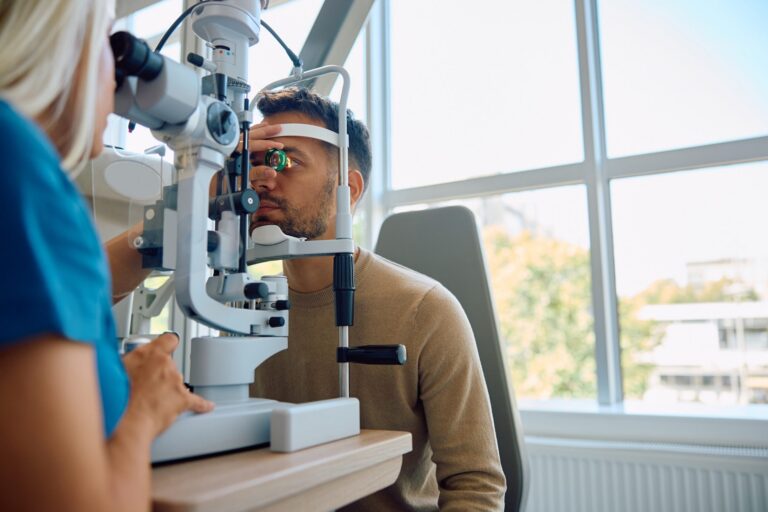
Diagnosing flashes and floaters is relatively easy and straightforward. Our team at Ophthalmology Associates of the Valley will schedule you for a routine eye exam at our facility. We’ll begin with a conversation about your symptoms. Then, we’ll conduct a routine eye exam where we will dilate your eyes, affording us a clear view of your retina. This will allow us to ensure that you have not sustained damage to your retina such as retinal detachment or a tear that is causing your flashes and floaters.
How do you treat flashes and floaters?
At your appointment with one of our skilled doctors in Encino or West Hills, we can help you determine the underlying reason for your flashes and floaters. We will conduct a comprehensive eye exam before creating a tailored treatment plan. For patients who experience floaters and flashes, we offer a state-of-the-art YAG laser vitreolysis. With this type of treatment, our skilled ophthalmologists target the surface of your floaters. This specialized laser causes the floaters to fall apart, convert to hyaluronan and collagen particles, and reabsorb into the eye.
If we diagnose you with a torn or detached retina, you will need prompt medical attention. Most of the time, our skilled ophthalmologists can treat a detached retina with a specialized laser. No matter the diagnosis, we strive to ensure you feel knowledgeable about the treatment options available to you.
Flashes and floaters FAQs
Repair and Relief
Generally, for patients who experience flashes and floaters, this is not a symptom of a more serious condition; however, they may become irritating and cause you to feel worried.
If you notice additional flashes or floaters in your eyesight, please schedule an appointment to learn more.
Our goal at Ophthalmology Associates of the Valley in San Fernando Valley of Los Angeles, CA is to determine the underlying cause and help you live with better vision. Both of our locations in Encino and West Hills can help diagnose and treat flashes and floaters.