

What Are Macular Holes and Puckers?
The macula is a structure that helps form the central part of the retina. In this area, it has a high level of photoreceptor cells that sense light and send the messages back to the brain, which interprets the information into vision. If you have certain conditions that damage the macula, you may experience blurred or fuzzy vision. Two very common conditions that can greatly impact the macula include macular holes and macular puckers.
Our ophthalmologists at Ophthalmology Associates of the Valley in the San Fernando Valley of Los Angeles, CA have years of experience diagnosing and treating these conditions and can help improve your vision.
What Are The Signs of macular holes and puckers?
A macular pucker is a thin line of scar tissue that forms over the retina. Scar tissue may be mild or severe. For more severe cases of macular pucker, it may cause the macula to wrinkle or look distorted. Contrastingly, a macular holes look like a micro-injury or hole that goes all the way through the macula. If you suffer from either of these conditions, you may experience a few common symptoms, including:
Macular Pucker
Macular Holes
What Are the Risk Factors of Macular Holes and Puckers?
It’s important to know the things that could potentially lead to a macular hole or pucker. A number of different factors could put you at increased risk of these conditions. Examples could include:
How Are Macular Puckers and Holes Diagnosed?
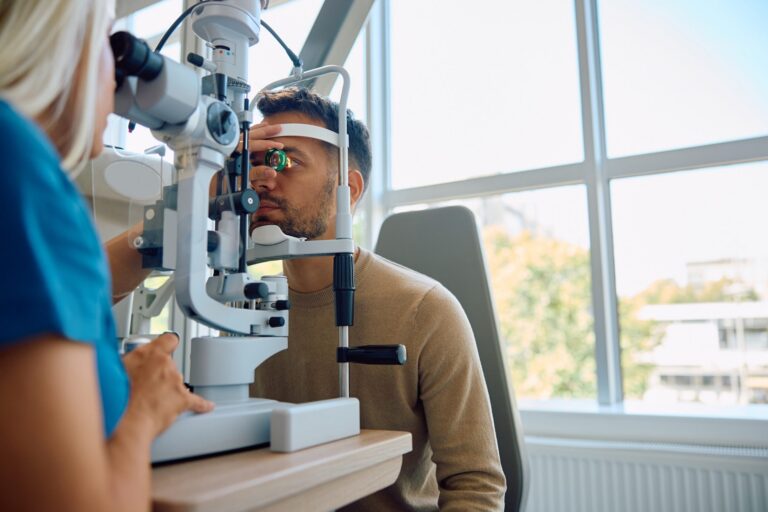
Macular puckers are diagnosed with a dilated eye exam and specialized test. Your ophthalmologist at Ophthalmology Associates of the Valley will give you eye drops that will widen your pupil so they can examine your retina. If a macular pucker is suspected, you will likely have an optical coherence tomography (OCT) test, which will capture detailed images of your retina to confirm its presence and severity. Similarly, a macular hole is also diagnosed using an OCT test.
Following confirmation of a macular hole or macular pucker, your ophthalmologist at our Los Angeles, CA facility in the San Fernando Valley will recommend treatments to repair the condition or make sure it doesn’t get worse.

How are macular holes and puckers treated?
Treatment is based on the severity of each condition. If a macular pucker begins to affect everyday activities, we may perform vitrectomy using local anesthesia. While performing this procedure, we use fine instruments to gently remove the scar tissue from your macula. Afterward, you should experience relief from blurry and distorted vision once your eye starts to heal over the next couple of months.
For macular holes, we will monitor the severity of your condition because some holes may close without the need for professional treatment. However, for larger holes, we offer two options. We may inject a medication into the eye to reduce the pulling of vitreous gel on the macula so it releases without causing any damage. For more severe cases, we may recommend a vitrectomy. As we perform this surgery, we reduce any pulling on the macula and place a temporary gas bubble in the eye, which enables the hole to close. Depending on the type of bubble selected, it will naturally absorb into the body, or we may need to surgically remove it.
Macular holes and puckers FAQ
Protect your vision with diagnosis and treatment
Macular puckers and macular holes can cause a variety of uncomfortable symptoms, such as blurry and distorted vision. It is extremely important to attend yearly eye exams so we can detect these issues for you and prevent long-term damage.
To learn more, please schedule an appointment with Ophthalmology Associates of the Valley in San Fernando Valley of Los Angeles, CA.